
Advances in Shoulder Replacement in 2025
For decades, shoulder replacement has helped people with arthritis, rotator cuff tears and severe fractures regain function and reduce pain. Recent years have brought significant changes in how the operation is planned and performed.
Digital planning, patient-specific instruments and less invasive techniques now give surgeons more control over how the implant is positioned. If you are considering shoulder replacement, understanding these developments can help you make an informed decision about your care.

A Brief Look Back
Shoulder replacement has evolved steadily. Early designs focused on simple ball-and-socket mechanics. Reverse shoulder replacement was a major step forward for patients with large rotator cuff tears, and improved materials such as highly cross-linked polyethylene have helped implants last longer.
Planning used to rely mainly on plain X-rays and the surgeon's experience, and operations were often done through larger incisions. Newer technology now brings detailed planning directly into the operating theatre.
Patient-Specific 3D Guides
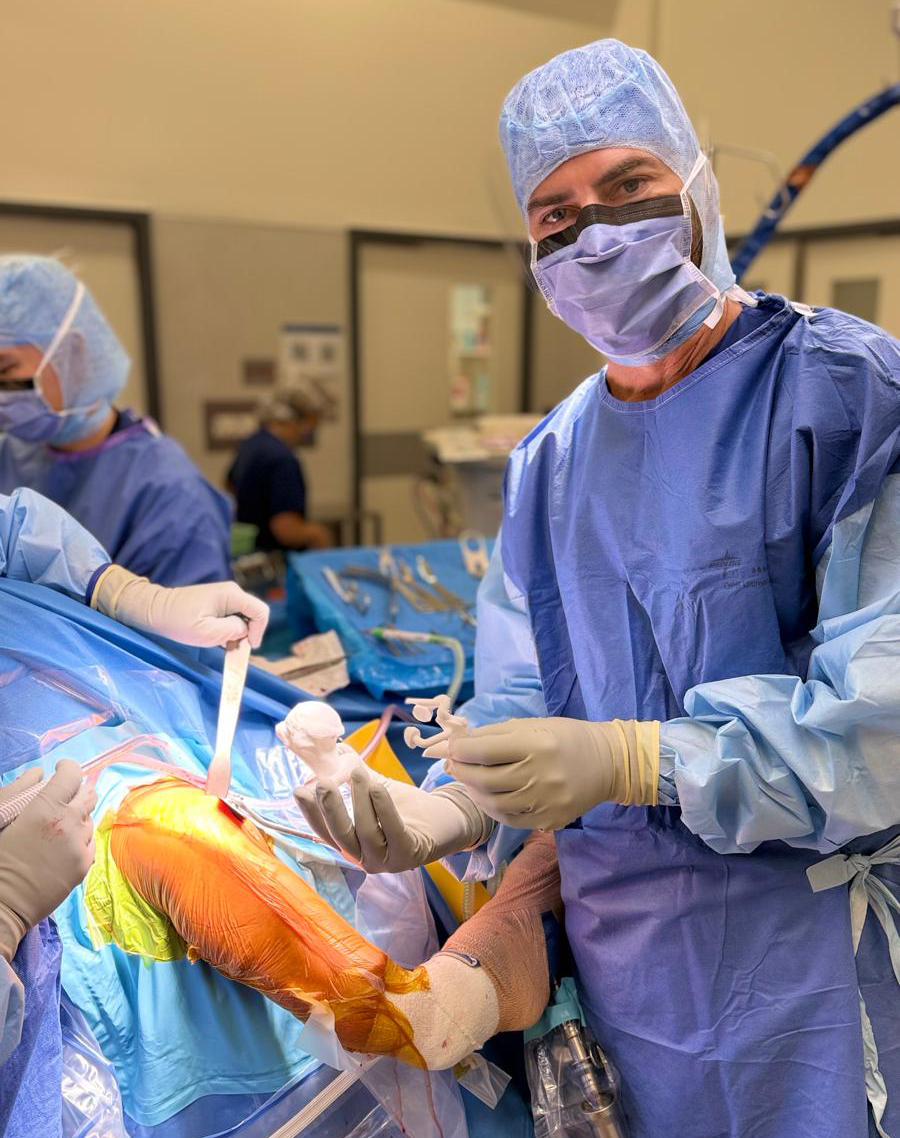
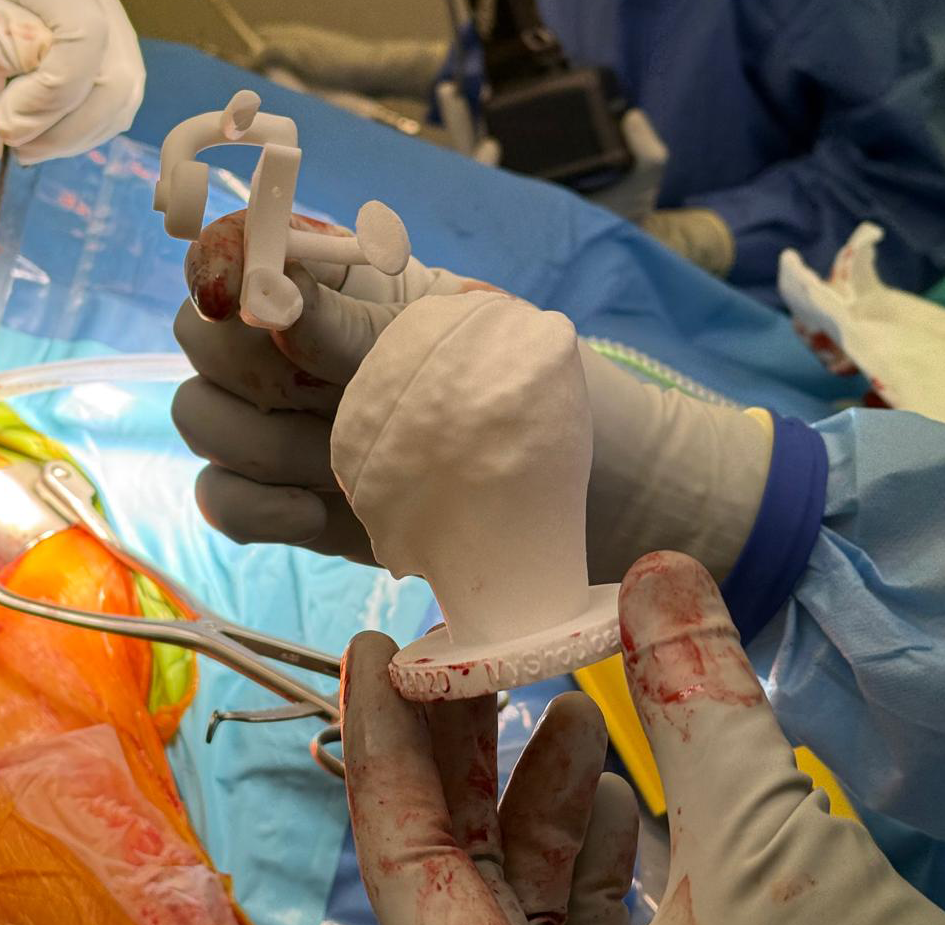
One development is patient-specific instrumentation (PSI): custom 3D-printed surgical guides made to fit an individual patient's anatomy.
The guides are designed from a CT scan using planning software that shows the shoulder in three dimensions before surgery. The surgeon can identify key landmarks, assess bone quality and plan where the implant should sit. During surgery, the guide helps place the components in the planned position.
This matters in shoulder replacement because small variations in implant position can affect joint function, soft-tissue tension and how long the implant lasts. PSI can be particularly useful where there is deformity or bone loss in the socket.
Dr Oscar Brumby-Rendell's Approach
At the Adelaide Shoulder & Upper Limb Clinic, Dr Oscar Brumby-Rendell routinely uses 3D CT planning and navigation in shoulder replacement, so that each operation is planned around the individual patient's anatomy.
His view is that shoulder replacement should not be one-size-fits-all. Detailed preoperative planning lets the reconstruction be tailored to each patient's bony anatomy and joint mechanics.
3D Preoperative Planning
Three-dimensional planning is now widely used in shoulder replacement. A CT scan of the shoulder is used to build a 3D model of the shoulder blade (socket) and upper arm bone (ball). The surgeon can study the anatomy, including any deformity or bone loss.
Using this model, the surgeon can select the implant type and size and plan its position before the operation. Many decisions about implant size, alignment and bone preparation can then be made in advance rather than in theatre.
Published studies have found that 3D planning improves the accuracy of implant positioning compared with planning from X-rays alone. Better positioning is expected to benefit implant longevity, although long-term outcome data are still being collected.
Potential benefits of 3D planning include:
- A surgical plan tailored to the patient's anatomy
- More accurate implant positioning
- Earlier identification of problems such as bone loss, so they can be planned for
3D-Printed Models
A physical model of the shoulder can also be 3D printed from the CT scan. The surgeon can handle the model before surgery to better understand complex anatomy, such as a difficult fracture or significant deformity.
Some studies have reported that 3D-printed models can improve understanding of the anatomy before surgery and may shorten operating time, particularly in complex cases.
CT Navigation
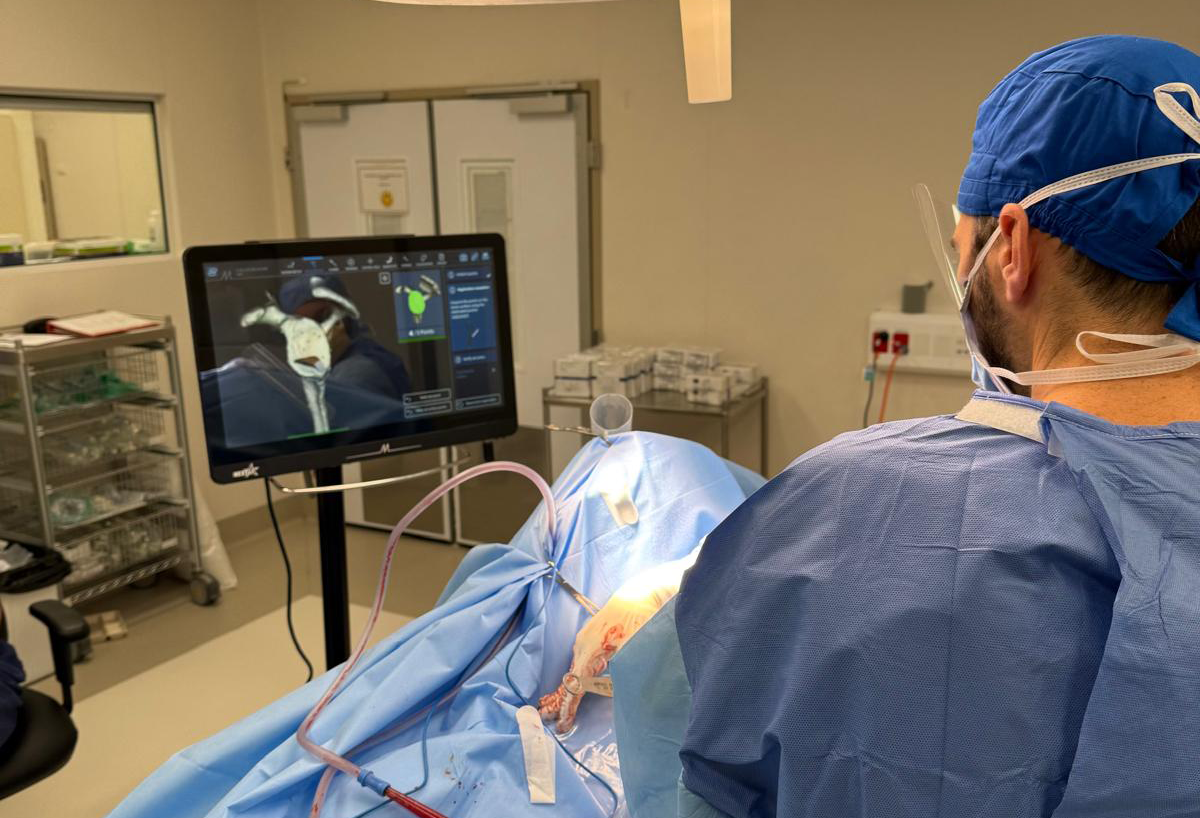
Navigation systems use the patient's CT scan during surgery. Trackers link the patient's anatomy to the 3D plan, and the surgeon can see the position of instruments on a screen in real time, compared against the plan.
Studies suggest navigation can improve the accuracy of glenoid (socket) component placement and help optimise screw position and length. It is now an established option, particularly in complex shoulders.
Minimally Invasive Shoulder Joint Replacement
Traditionally, shoulder replacement has been performed through an incision of around 10–15 cm. In recent years, surgeons have developed minimally invasive approaches that use a smaller incision of around 5 cm, roughly the length of a pen lid. Specialised retractors and instruments allow the surgeon to reach the joint through this smaller opening.
The aim is to perform the same operation with less disruption to the surrounding muscles and tendons. For suitable patients, this may mean less early post-operative discomfort, a smaller scar and an earlier start to rehabilitation.
Potential advantages of a minimally invasive approach can include:
- A shorter incision
- Less dissection of the surrounding soft tissues
- An earlier start to rehabilitation for some patients
- A smaller scar
Outcomes vary between individuals, and a smaller incision does not remove the risks of shoulder replacement surgery. Those risks include infection, stiffness, nerve injury, instability and implant loosening. A minimally invasive approach is not suitable for everyone. Where there is significant bone loss, deformity or previous surgery, a standard incision may give safer access. The best approach for you will be discussed at your consultation, based on your imaging and your individual circumstances.
Learn more about Minimally Invasive Shoulder Joint Replacement by visiting our treatment page here.
Looking Ahead
Shoulder replacement technology continues to develop. Two areas of active research are:
- Robotics and augmented reality: robotic systems and augmented-reality displays are being developed to help surgeons carry out the plan during surgery.
- Custom implants: fully patient-specific implants and improved materials are being studied, with the aim of better fit and longer implant life.
In summary, shoulder replacement now draws on detailed digital planning, patient-specific guides and navigation to help position implants accurately. The aim of all these advances is to restore function and reduce pain for as long as possible. Results vary between individuals, and your options will be discussed with you at consultation.